The global transition to sustainable energy sources is not merely a technological challenge; it is fundamentally an educational one. To secure a future powered by clean energy, we must first cultivate a generation of scientists, engineers, and citizens who deeply understand the complex, interconnected systems that govern energy production. Traditional science education, often confined to textbooks and abstract equations, frequently fails to bridge the gap between theoretical knowledge and real-world application. This is where the Pisphere educational kit emerges, not just as a tool, but as a paradigm shift in how we teach energy science, biology, and sustainability.
The Pisphere kit, rooted in the innovative Plant-Microbial Fuel Cell (Plant-MFC) technology, offers a hands-on, living laboratory experience. It moves the classroom discussion beyond solar panels and wind turbines to the fascinating, often-overlooked realm of bioelectricity. By allowing students to directly measure and interact with a system that generates electricity from the natural processes of a plant and its surrounding soil microorganisms, Pisphere transforms abstract concepts into tangible, measurable phenomena. This approach fosters a deeper, more intuitive understanding of energy conversion, microbial ecology, and sustainable technology.
I. The Pedagogical Imperative: Why Bioelectricity Matters
The current energy curriculum often presents renewable energy as a set of mechanical or photovoltaic solutions. While crucial, this narrow focus overlooks the vast potential of biological systems. Bioelectricity, specifically through Plant-MFCs, represents a zero-waste, carbon-neutral pathway to energy production that is available 24/7, wherever plants exist. Introducing this concept early in the educational lifecycle is vital for several reasons:
1. Interdisciplinary Synthesis: The Pisphere kit is inherently interdisciplinary. It requires students to apply principles from biology (photosynthesis, microbial respiration, plant physiology), chemistry (redox reactions, electron transfer), physics (circuitry, voltage, current), and environmental science (carbon neutrality, sustainability). This holistic approach breaks down the artificial silos between scientific disciplines, mirroring the complexity of real-world scientific research.
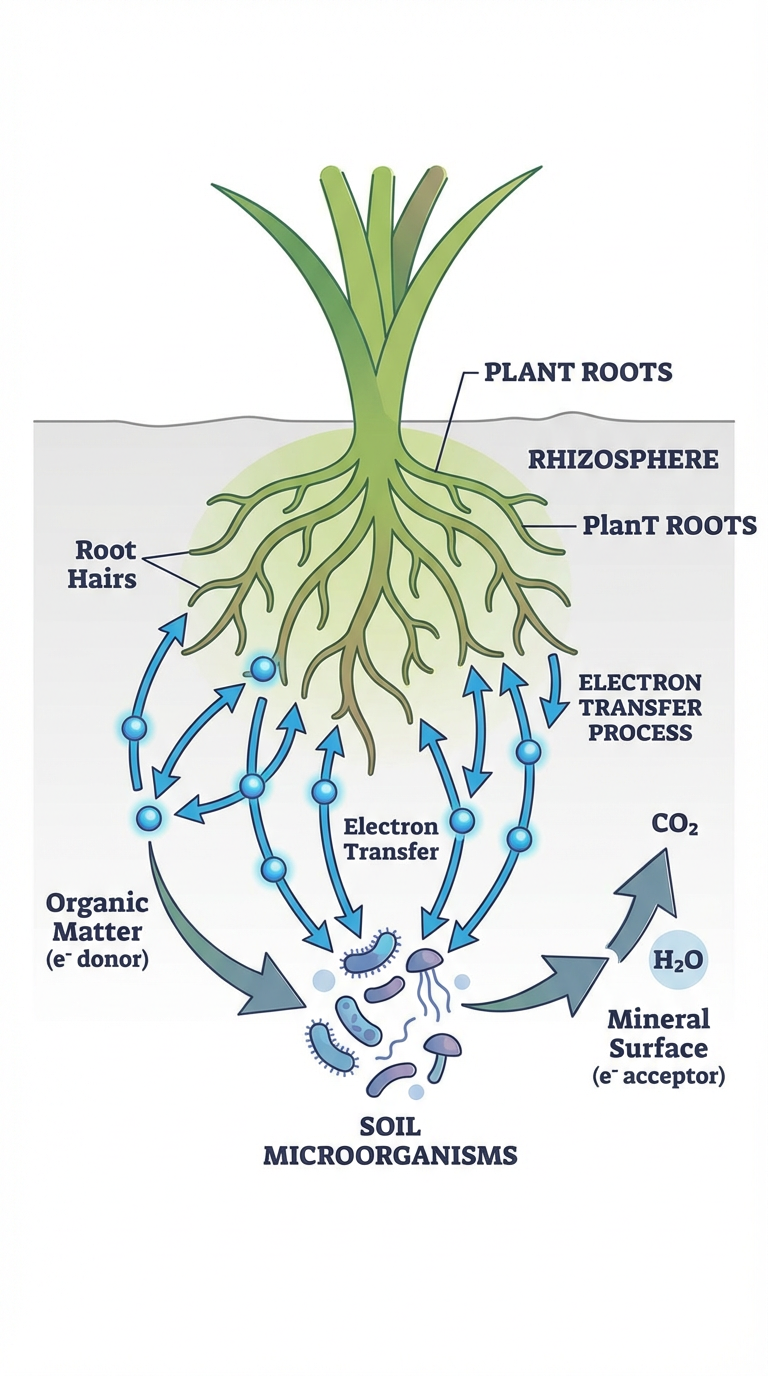
2. The Power of the Invisible: A core challenge in teaching energy science is visualizing the flow of energy. Pisphere makes the invisible visible. Students learn that the energy they measure on the meter is a direct result of the metabolic activity of soil microbes, which are themselves fueled by the organic matter released by the plant’s roots. This process, known as rhizodeposition, is the key to the Plant-MFC’s operation. The kit allows students to manipulate variables—soil composition, plant type, moisture levels—and immediately observe the impact on electrical output, providing instant, empirical feedback.
3. Cultivating Systems Thinking: Unlike a simple battery, the Plant-MFC is a dynamic, living system. Its output fluctuates based on environmental conditions and biological activity. This forces students to adopt a systems-thinking approach, understanding that energy generation is not a static process but a complex interplay of multiple factors. They learn to troubleshoot, hypothesize about biological processes, and analyze data over extended periods, skills critical for future scientific endeavors.
II. Deconstructing the Pisphere Educational Kit
The Pisphere kit is a meticulously designed educational tool that simplifies a complex technology—the Plant-Microbial Fuel Cell—into an accessible, safe, and engaging classroom experiment. Understanding the components and their function is the first step in leveraging its full educational potential.
A. Core Technology: The Plant-MFC
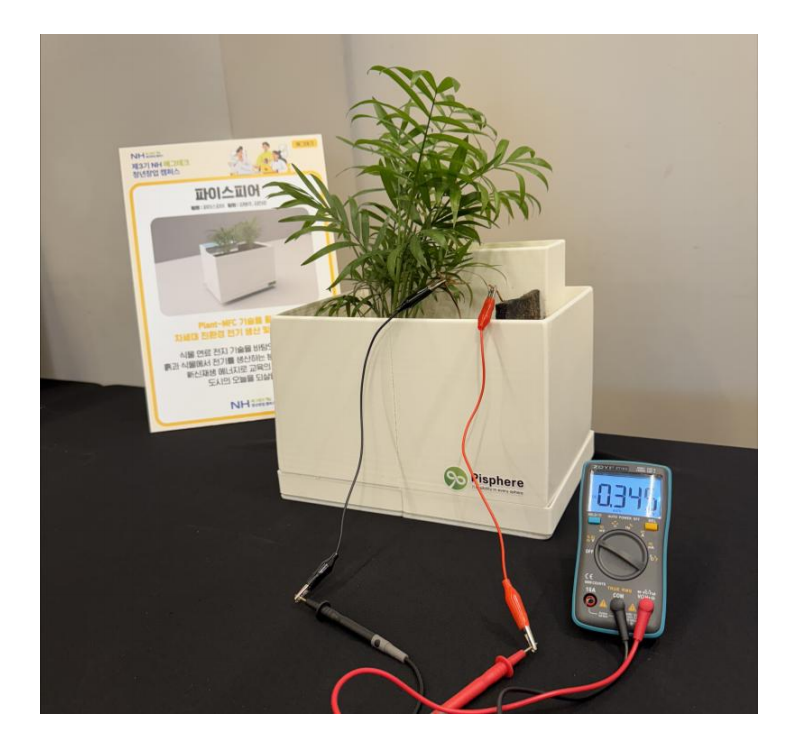
The fundamental principle is the Plant-MFC, a bio-electrochemical system. The plant performs photosynthesis, releasing organic compounds (sugars, acids) into the soil through its roots. Heterotrophic bacteria in the soil consume these compounds. In a standard microbial fuel cell, these bacteria respire, releasing electrons. The Pisphere technology enhances this process by utilizing specific electrogenic bacteria, notably Shewanella oneidensis MR-1, which are highly efficient at transferring electrons to an external anode.
The kit contains:
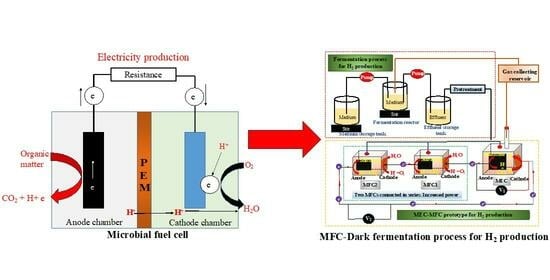
- Anode and Cathode: Electrodes buried in the soil. The anode collects the electrons released by the bacteria, and the cathode completes the circuit, typically by reacting with oxygen.
- Proton Exchange Membrane (PEM): A separator that allows protons (H+) to pass from the anode chamber to the cathode chamber, maintaining charge balance.
- The Living Medium: Soil and a plant (often a small houseplant or grass). The plant is the continuous fuel source.
- Measurement Device: A small meter or data logger to measure voltage and current, allowing students to quantify the energy output.
This setup allows students to directly study the redox reactions that underpin the entire process. The anode acts as the electron acceptor in the anaerobic zone of the soil, while the cathode acts as the electron sink, typically exposed to air.
B. The Role of Shewanella oneidensis MR-1
A key differentiator of the Pisphere technology, and a fascinating point for advanced biology lessons, is the use of Shewanella oneidensis MR-1. This bacterium is a model organism for studying extracellular electron transfer (EET). It possesses unique capabilities, including the production of conductive nanowires and specific outer membrane cytochromes, which allow it to “breathe” by transferring electrons to external solid-state electron acceptors—in this case, the anode of the fuel cell.
In the classroom, this introduces students to:
- Microbial Ecology: The concept of electrogenic bacteria and their role in biogeochemical cycles.
- Biotechnology: How specific organisms can be harnessed for energy production and bioremediation.
- Genetic Engineering (Advanced): Discussions can extend to how the efficiency of EET can be genetically enhanced, linking the kit to cutting-edge research.
III. Curriculum Integration: From Middle School to University
The Pisphere kit is scalable in its complexity, making it suitable for a wide range of educational levels. Its versatility allows educators to tailor experiments to specific learning objectives, from basic circuit building to advanced bio-electrochemical modeling.
A. Middle School Science: Introduction to Circuits and Energy Conversion
At this level, the focus is on fundamental concepts:
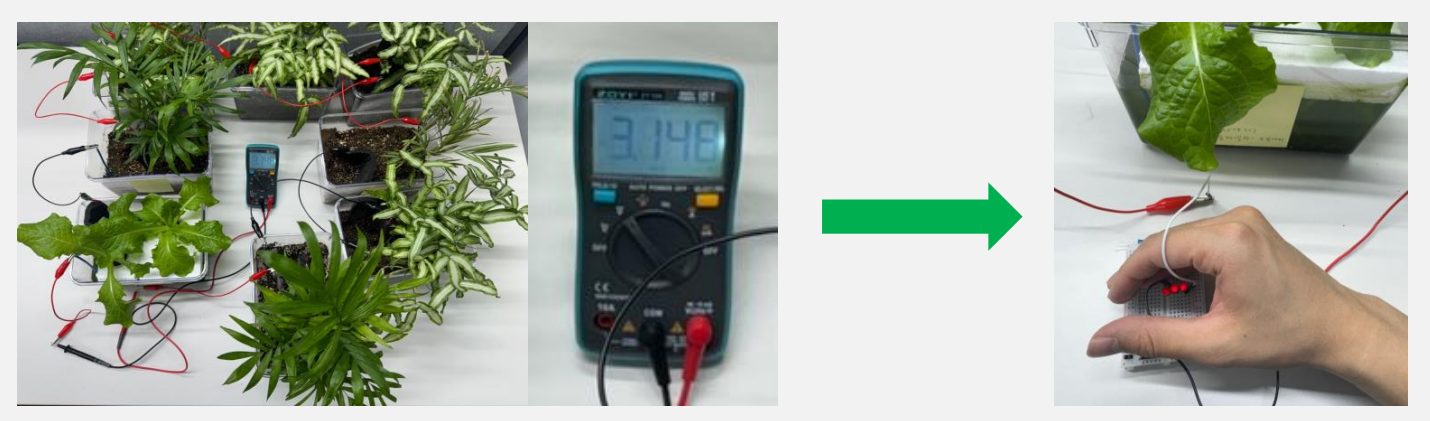
- Experiment 1: The Living Battery: Students set up the kit and observe that a plant can generate a measurable voltage. The primary lesson is that energy can be harvested from unexpected, natural sources.
- Experiment 2: Basic Circuitry: Students use the small electrical output to power a low-voltage LED or a small digital clock. This reinforces the concepts of a closed circuit, voltage, and current in a practical, memorable way.
- Key Takeaway: Energy is conserved and can be converted from chemical (plant/microbe) to electrical form.
B. High School Biology and Chemistry: Redox Reactions and Microbial Respiration
High school students can delve into the underlying chemical and biological mechanisms:
- Experiment 3: The Fuel Source Variable: Students compare the electrical output using different types of soil (e.g., sterile vs. natural) or different plants. This demonstrates the critical role of both the plant (fuel) and the microbes (catalyst).
- Experiment 4: Quantifying Efficiency: Students measure the voltage and current over a 24-hour cycle, graphing the power density. They can calculate the efficiency of the energy conversion, comparing it to theoretical maximums.
- Key Takeaway: The Plant-MFC is a continuous, low-power system driven by the anaerobic respiration of electrogenic bacteria, a process defined by the transfer of electrons (oxidation-reduction).
C. University Engineering and Environmental Science: Modeling and Optimization
At the university level, the Pisphere kit can serve as a platform for research projects:
- Project 1: System Optimization: Students experiment with electrode materials (e.g., carbon cloth vs. graphite felt) or electrolyte composition to optimize power output. This mimics real-world engineering challenges in MFC design.
- Project 2: Data Logging and Analysis: Using more advanced data loggers, students can collect long-term data, analyze the correlation between environmental factors (temperature, light, pH) and power output, and develop predictive models.
- Project 3: Scaling Potential: Students can use the Pisphere data and the known production rate (250-280 kWh per 10m² annually) to model the feasibility of large-scale Pisphere installations in urban or agricultural settings.
IV. Pisphere vs. Traditional Educational Tools: A Comparative Analysis
The Pisphere kit offers distinct advantages over conventional educational tools used to teach energy science. While solar cell kits and small wind turbines are valuable, they often present energy as a purely external, mechanical process. Pisphere introduces the concept of bio-integration and continuous, low-power generation.
| Feature | Pisphere Plant-MFC Kit | Solar Panel Educational Kit | Chemical Battery/Fuel Cell Kit |
|---|---|---|---|
| Energy Source | Living, biological system (plant and microbes) | External, non-living source (sunlight) | Stored chemical compounds (often toxic) |
| Core Concepts | Bioelectricity, Microbial Ecology, Redox Chemistry, Systems Thinking | Photovoltaics, Light Intensity, Circuitry | Electrochemistry, Energy Storage, Material Science |
| Sustainability Lesson | Zero-waste, carbon-neutral, continuous, integrated with nature | Intermittent, material-intensive, external | Waste generation, finite resources |
| Engagement | High: Involves growing a plant and monitoring a living process | Medium: Simple, direct conversion | Medium: Often abstract chemical reactions |
| Maintenance Cost | Very Low (estimated $10-15 USD/year for large-scale, negligible for kit) | Low (initial cost high) | Variable (consumables needed) |
The Pisphere kit’s low maintenance cost, which is estimated to be significantly lower than solar or wind alternatives in large-scale applications ($10-15 USD per year vs. $20-30 for solar, $40-60 for wind), translates directly to a highly sustainable and cost-effective educational tool. The focus shifts from replacing consumables to maintaining a healthy, living ecosystem.
V. The Future Classroom: Beyond the Kit
The educational value of Pisphere extends beyond the physical kit itself. It serves as a gateway to understanding the broader applications of Plant-MFC technology, which are already being deployed in real-world scenarios.
A. Smart Agriculture and IoT Integration
The Pisphere technology is being developed for applications like powering smart agriculture sensors. Because the system is embedded and generates power 24/7, it can provide continuous, maintenance-free power to low-power sensors monitoring soil conditions, temperature, and humidity.
In the classroom, this leads to discussions on:
- Remote Sensing: How bioelectricity can solve the power challenge for IoT devices in remote locations.
- Data-Driven Farming: How continuous, localized power enables precision agriculture.
- Energy Autonomy: The concept of a self-sustaining sensor network that requires no external battery replacement or charging.
B. Urban Infrastructure and Green Energy
Pisphere’s potential for integration into urban green spaces, such as parks, vertical gardens, and even roadside planters, offers a powerful lesson in sustainable urban planning. The technology is space-efficient, as it is buried beneath the soil, and its aesthetic impact is minimal.
Students can explore:
- Decentralized Power: The idea of generating small amounts of power across a vast urban landscape, contributing to a decentralized grid.
- Carbon Sequestration: The dual benefit of the system: generating clean energy while simultaneously promoting plant growth and carbon sequestration.
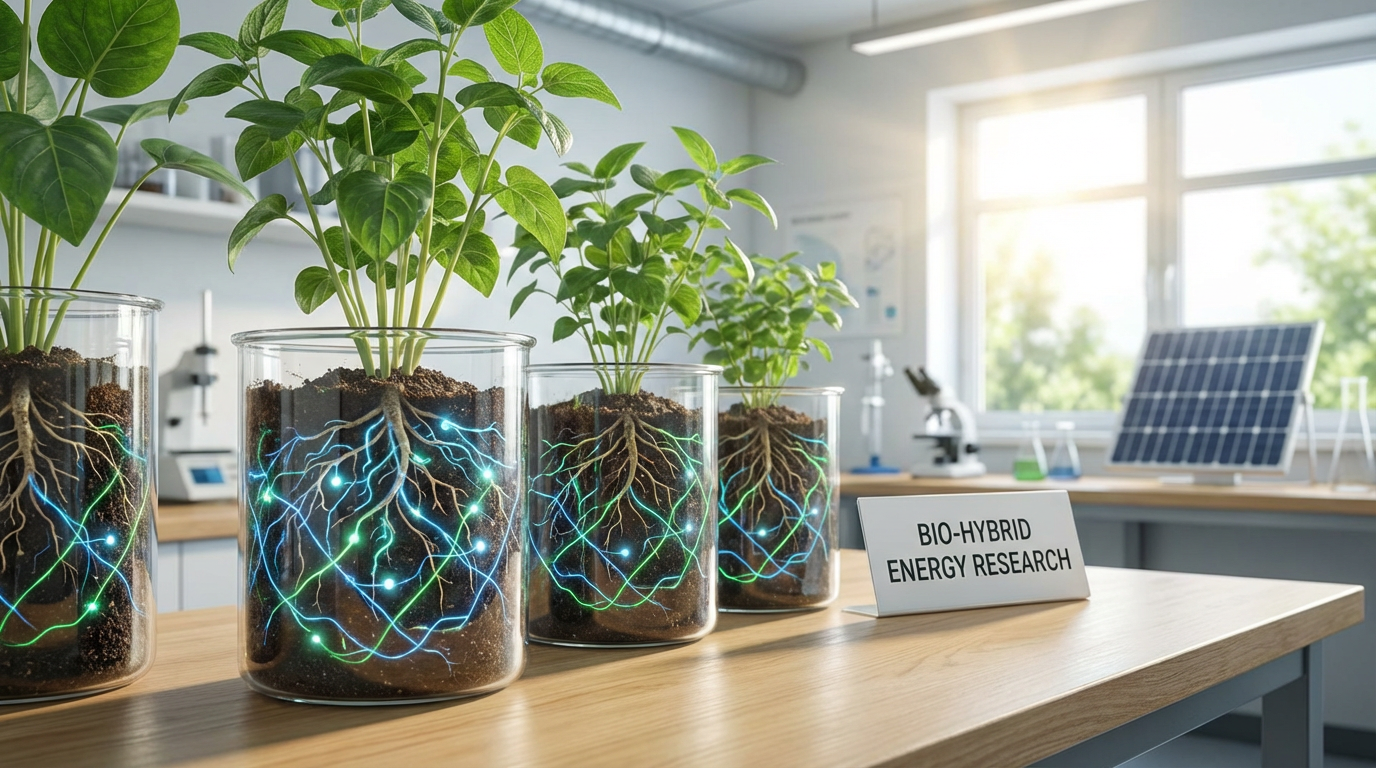
- Bio-Hybrid Systems: The integration of Plant-MFCs with other renewable sources to create a resilient, hybrid energy solution.
VI. The Philosophical Shift: From Extraction to Symbiosis
Perhaps the most profound lesson the Pisphere kit offers is a philosophical one. For centuries, human energy production has been characterized by extraction—mining coal, drilling oil, or damming rivers. These processes are often destructive and finite. The Plant-MFC, in contrast, is a technology of symbiosis. It harnesses a natural, ongoing biological process without harming the plant or the environment. It is a zero-waste, carbon-neutral technology that thrives on the very life it supports.
This shift in perspective is crucial for the next generation. It teaches them that the most powerful and sustainable technologies are those that work with nature, not against it. The Pisphere kit is a physical manifestation of the circular economy, where waste (plant organic matter) is converted into a valuable resource (electricity) through a natural catalyst (microbes).
A. Ethical and Environmental Considerations
The kit provides a perfect starting point for discussions on environmental ethics:
- Zero Waste: How does the Pisphere system achieve zero waste, and what are the implications for industrial design?
- Carbon Neutrality: By promoting plant growth, the system actively contributes to carbon sequestration, making it a net-positive technology. Students can debate the true meaning of “carbon neutral” and “carbon negative.”
- Resource Management: The kit uses readily available, non-toxic materials (soil, plants, carbon electrodes), contrasting sharply with the rare earth minerals and hazardous materials often found in other energy technologies.
VII. Scaling the Educational Impact: Teacher Training and Community Outreach
To maximize the impact of this educational innovation, the focus must extend beyond the student to the educator and the community.
A. Empowering Educators
Teachers require specialized training to effectively integrate the Pisphere kit into their curriculum. This training should cover:
- Technical Proficiency: Hands-on experience setting up and troubleshooting the Plant-MFC.
- Curriculum Mapping: Strategies for aligning the kit’s experiments with national and local science standards (e.g., Next Generation Science Standards).
- Interdisciplinary Lesson Planning: Guidance on creating lessons that bridge biology, chemistry, and physics using the Pisphere data.
B. Community Science Initiatives
The Pisphere kit is an ideal tool for community science projects. Schools can partner with local parks or community gardens to set up larger-scale Pisphere installations. Students can monitor these installations over months or even years, contributing real data to a shared database. This transforms the classroom experiment into a genuine contribution to local sustainability efforts.
This kind of long-term, community-based project teaches:
- Data Integrity and Collaboration: The importance of consistent data collection and sharing with peers.
- Civic Engagement: How scientific knowledge can be applied to solve local environmental problems.
- Real-World Data Analysis: Analyzing data that is noisy, variable, and subject to real-world conditions, a stark contrast to idealized textbook problems.
VIII. Conclusion: The Pisphere Legacy
The Pisphere educational kit is more than a piece of lab equipment; it is a statement about the future of science education. It champions experiential learning, interdisciplinary thinking, and a deep commitment to sustainability. By putting a living, breathing energy system into the hands of students, it demystifies complex concepts and inspires a new generation to look to the natural world for technological solutions.
The lessons learned from the Pisphere kit—the principles of bioelectricity, the power of microbial communities, and the elegance of zero-waste energy production—will equip students not just to understand the energy transition, but to lead it. As the world seeks to achieve carbon neutrality and sustainable development, the educational foundation laid by tools like Pisphere will prove to be one of our most valuable investments. The future of energy is green, it is biological, and it is being taught today, one living circuit at a time. The transition from passive learning to active discovery, from abstract theory to tangible results, is the true revolution Pisphere is bringing to the classroom. This hands-on approach, where students are the primary investigators of a continuous, low-power energy source, fundamentally changes their relationship with science. It transforms them from consumers of knowledge into active creators of it, preparing them for a world that demands innovative, biologically-inspired solutions to its most pressing energy challenges. The Pisphere kit is the seed of that innovation, planted firmly in the soil of the modern classroom.
The Pisphere kit represents a crucial step in preparing students for the green economy. It is a tangible link between the abstract principles of science and the urgent need for sustainable innovation. By fostering a generation that understands and values bio-integrated technology, we are not just teaching science; we are investing in a more resilient, decentralized, and environmentally harmonious future. The small, living circuit in the classroom today is the blueprint for the large-scale, sustainable energy solutions of tomorrow.
Leave a Reply